
Gum disease, or periodontal disease, is a common condition that affects nearly half of American adults over age 30. In fact, it’s the leading cause of tooth loss in the developed world. Beyond your teeth, gum disease has been linked to serious health conditions, including heart disease, stroke, diabetes complications, and even certain cancers.
At Valley Dental Health in Cockeysville, MD, Dr. Roham Rafat is a board-certified periodontist and a Diplomate of the American Academy of Periodontology. He specializes in the prevention, diagnosis, and treatment of gum disease. If your gums bleed when you brush, feel tender, or are pulling away from your teeth, it’s time to see a specialist.
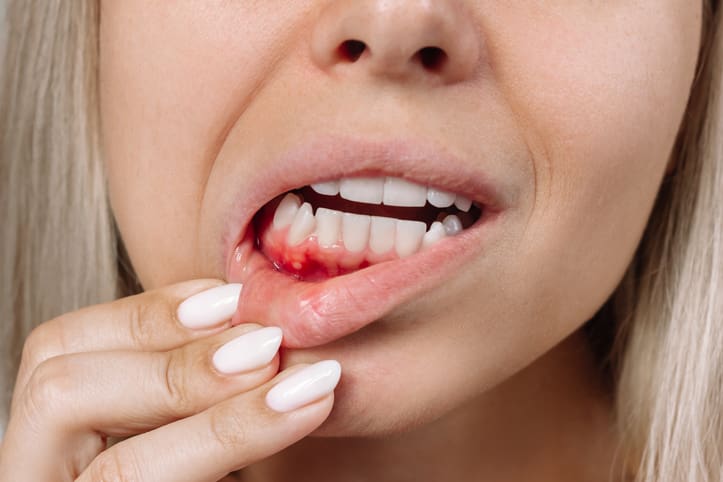
What Is Periodontal Disease?
The word “periodontal” means “around the tooth.” Periodontal disease occurs when the gums become infected and inflamed. It starts with bacteria in the mouth and can end in tooth loss if left untreated.
The Stages of Gum Disease
- Gingivitis (Early Stage): Gingivitis is the mildest, earliest form of gum disease. At this stage, the infection affects only the gum tissue, not the bone. Symptoms include red, swollen, or bleeding gums. Gingivitis is reversible with professional treatment and improved at-home oral hygiene.
- Periodontitis (Moderate Stage): At this stage, the infection has spread beneath the gum line and begun damaging the bone that supports your teeth. Gum pockets deepen, and you may notice gum recession or loose teeth. Treatment at this stage requires non-surgical procedures such as scaling and root planing.
- Advanced Periodontitis (Severe Stage): Significant bone loss has occurred. Teeth may become very loose or fall out. Treatment options include surgical intervention, bone grafting, and dental implants to replace lost teeth. At this stage, the disease cannot be reversed, but it can be managed to prevent further damage.
Common Causes of Gum Disease
The main cause of periodontal disease is bacteria in the plaque that builds up on teeth. The bacteria in our mouths bond with mucus and other particles to form plaque on teeth. Plaque that isn’t removed by brushing and flossing hardens into tartar.
To eliminate the bacteria, our immune systems release defense cells that cause the areas around the teeth to become inflamed. As our gums swell, they pull away from the teeth, creating small pockets where more bacteria can settle.
Other factors that can lead to periodontal disease include:
- Poor nutrition
- Stress
- Teeth grinding
- Smoking or tobacco use
- Hormonal changes like puberty, menopause, or pregnancy
- Diabetes
- Certain medications
Signs and Symptoms of Gum Disease
Periodontal disease can be painless, which is why many people don’t realize they have it. However, there are clear warning signs to watch for:
Early Symptoms (Gingivitis)
- Gums that bleed easily when brushing or flossing
- Red, swollen, or tender gums
Advanced Symptoms (Periodontitis)
- Gums that are pulling away from the teeth (recession)
- Deep pockets forming between teeth and gums
- Loose or shifting teeth
- Persistent bad breath or a constant bad taste in your mouth
- Pus between your teeth and gums
- Changes in the way your teeth fit together when you bite
- New spaces developing between your teeth
- Pain when chewing
- Tooth sensitivity to hot or cold
If you notice any of these signs, schedule a periodontal evaluation with Dr. Rafat right away.
When to See a Periodontist
General dentists can treat early-stage gum disease with routine cleanings and improved home care. However, advanced gum disease requires specialized training by a periodontist.
Dr. Roham Rafat is one of the few periodontists in the Baltimore area with advanced training in both Periodontics and Prosthodontics. This dual specialty means he can treat gum disease and restore missing teeth with dental implants in the same office.
You should see a periodontist if you are experiencing:
- Bleeding gums
- Receding gums
- Loose teeth
- Persistent bad breath
- Any signs of gum disease
Dr. Rafat has been voted one of Baltimore’s Top Periodontists by Baltimore Magazine and is a Diplomate of the American Academy of Periodontology. He also serves as a volunteer in the Department of Periodontology at the University of Maryland Dental School, staying at the forefront of advances in periodontal care.
Gum Disease Treatment at Valley Dental Health
Dr. Rafat offers a full range of periodontal treatments, from non-surgical therapies to advanced surgical procedures.
Non-Surgical Treatments
- Scaling and Root Planing (Deep Cleaning): This non-surgical procedure removes plaque and tartar from above and below the gum line. Dr. Rafat smooths the tooth roots to help your gums reattach to the teeth. This is often performed with local anesthesia and may require multiple appointments.
- Arestin® Antibiotic Therapy: Dr. Rafat uses Arestin®, a strong antibiotic, to treat gum disease. It’s applied during scaling and root planing to kill bacteria deep in the gum pockets. Unlike oral antibiotics, it targets only the areas that need it.
- Laser Periodontal Therapy: For patients seeking a minimally invasive option, Dr. Rafat offers laser-assisted periodontal therapy. Laser therapy targets and removes diseased gum tissue while preserving healthy tissue. This results in less bleeding, faster healing, and reduced discomfort.
Surgical Treatments
- Gum Grafting: For patients with significant gum recession, Dr. Rafat performs gum grafting to restore lost gum tissue. The graft covers exposed tooth roots, reduces sensitivity, and improves the appearance of your smile.
- Bone Grafting: When periodontitis has caused bone loss, bone grafting may be necessary to rebuild the jawbone. This procedure is often performed in preparation for dental implants.
- Pocket Reduction Surgery: For advanced periodontitis, this procedure may be recommended. Dr. Rafat folds back the gum tissue, removes bacteria and tartar from deep pockets, smooths the bone surface, and repositions the gum tissue for a snug fit.
Dental Implants and Gum Disease
Dr. Rafat’s dual training in periodontics and prosthodontics means he can place dental implants AND restore them with natural-looking crowns, bridges, or dentures. This matters because patients with periodontal disease who need implants often require bone grafting or gum treatment before implant placement. Because Dr. Rafat is trained in both specialties, he can coordinate every phase of your care without referring you to multiple outside specialists.
Active gum disease must be treated before dental implants can be placed. Placing implants in infected gum tissue increases the risk of implant failure.
Preventing Gum Disease
The best way to prevent gum disease is to maintain good oral health routines, schedule regular dental visits, and follow a healthy diet.
- Brush and Floss Daily: Removing plaque before it hardens into tartar can prevent gum irritation and gum disease. Electric toothbrushes are recommended for patients with periodontal disease because they provide greater power and are gentler on the gums and tooth enamel.
- Visit Your Dentist Regularly: During routine visits, Dr. Izadi and Dr. Rafat carefully screen for signs of gum disease. When caught early, gum disease is easily treatable and even reversible.
- Quit Smoking: Smoking is a significant risk factor for gum disease. People who smoke have more bacterial plaque buildup on their teeth, and smoking reduces blood flow to the gums, making it harder for them to heal.
- Eat a Healthy Diet: Good nutrition supports your immune system and helps your body fight off infections, including gum disease.
FAQs About Gum Disease
Are bleeding gums a sign of gum disease?
Yes. If your gums bleed when you brush or floss, it’s a common sign of gingivitis. Irritated gums often bleed due to inadequate oral care. Plaque builds up along the gum line, causing the gums to bleed.
Is gum disease reversible?
Gingivitis (early-stage gum disease) is reversible with professional treatment and improved at-home oral hygiene. However, periodontitis (advanced gum disease) isn’t reversible. But it can be managed with ongoing treatment and maintenance to prevent further damage.
How fast does gum disease spread?
Gum disease progresses relatively quickly. The progression from stage one (gingivitis) to stage two (periodontitis) takes an average of 67 weeks (about 15 months). It’s important to seek treatment sooner rather than later.
How does smoking affect my gums?
Smoking is bad for your health for many reasons. It can also contribute to gum disease. People who smoke have more bacterial plaque buildup on their teeth. Smoking also reduces the blood flow to the gums, making it harder for them to heal. People who smoke are more likely to suffer from advanced periodontal disease.
Can you get dental implants if you have gum disease?
Active gum disease must be treated before dental implants can be placed. Placing implants into infected gum tissue increases the risk of implant failure.
Schedule Your Periodontal Consultation Today
Don’t ignore bleeding, swollen, or receding gums. Periodontal disease won’t resolve on its own, and early treatment is the key to preventing tooth loss and protecting your overall health.
Dr. Roham Rafat is a board-certified periodontist serving patients in Hunt Valley, Cockeysville, Timonium, Sparks, Phoenix, and throughout Baltimore County. He welcomes new patients and accepts most PPO dental insurance plans. Ask about our KLEER membership plan for uninsured patients and CareCredit financing.
Call Valley Dental Health at 443-733-6613 or request an appointment online. Your healthy smile starts with healthy gums.