You have invested in your smile. You chose dental implants because you wanted something that looks natural, feels secure, and lasts.
Now, how do you make sure they last a lifetime? Caring for dental implants is surprisingly simple. In fact, it is almost identical to caring for your natural teeth. But there are a few important differences to understand.
At Valley Dental Health in Cockeysville, MD, Dr. Roham Rafat is one of the most highly trained dental implant specialists in the Baltimore area. As both a periodontist (gum specialist) and a prosthodontist (tooth replacement specialist), he understands every aspect of implant placement and maintenance. Here is what he wants you to know about keeping your implants healthy for decades.
Can Dental Implants Get Infected?
This is the number one question patients ask. And the answer is a little nuanced.
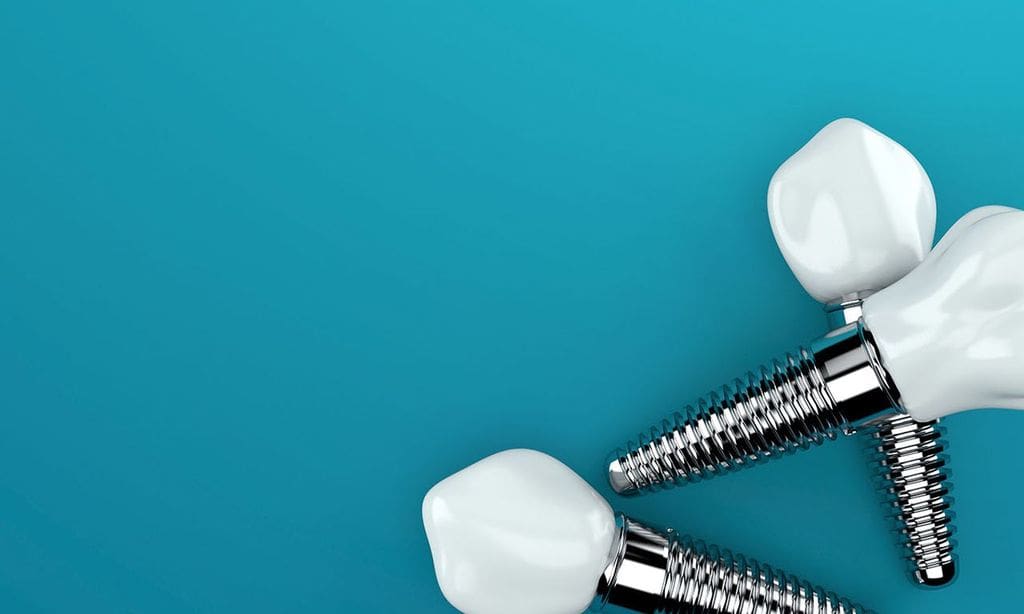
The implant post itself is made of titanium. It cannot decay or get a cavity. That’s one of the reasons implants are so great. But you need to watch out for the gum and bone around the implant.
Bacteria can still build up on the surface of an implant, just like they do on natural teeth. Over time, the bacteria can harden into calculus (tartar). If left untreated, it can cause a condition called peri-implantitis. Peri-implantitis is an infection that affects the gums and bone around the implant.
Peri-implantitis is the leading cause of implant failure. It causes the gum tissue to recede and the jawbone to deteriorate. If the bone pulls away from the implant, the implant can become loose and eventually fall out.
Fortunately, peri-implantitis is preventable. And with proper care, your implants can last a lifetime.
How to Keep Your Dental Implants Healthy
Brush Twice a Day
Use a soft-bristled toothbrush and non-abrasive toothpaste. Brush all sides of the implant, paying special attention to where the crown meets the gum line. That is where bacteria love to hide.
Avoid harsh toothpastes with baking soda or whitening agents. They can scratch the surface of your implant crown, making it easier for bacteria to stick.
Floss Daily
Flossing around implants is just as important as flossing around natural teeth. But you may need a different technique.
Because implants lack the ligament attachment that natural teeth have, they can be more vulnerable to bacteria trapped between the crown and the gum. Standard floss works, but many patients prefer:
- Super floss (thicker and spongy)
- Floss threaders (to get underneath the bridge or crown)
- Interdental brushes (small brushes that fit between teeth)
- Water flossers (great for flushing out hard-to-reach areas)
Dr. Rafat or your hygienist will show you the best method for your specific implant restoration.
See Your Dentist Every 3-6 Months
With natural teeth, we recommend checkups every six months. With implants, we often recommend more frequent visits. Every three to six months, depending on your risk factors.
Why? Because your hygienist has special instruments that can clean the implant surface without scratching it. They can also measure the gum tissue around the implant to check for early signs of infection.
Get Annual X-Rays
Once a year, Dr. Rafat will take an X-ray of your implant. This allows him to see the bone level around the implant and catch any changes early. Bone loss is often invisible to the naked eye but shows up clearly on an X-ray.
Signs of Dental Implant Problems
Catching problems early is the key to saving an implant. Here is what to watch for:
- Bleeding when you brush or floss around the implant (this is usually the first sign)
- Red, swollen, or tender gums around the implant
- Bad taste or odor coming from the area
- The implant feels loose (this is a late sign)
- You can see more of the implant than before (gum recession)
If you notice any of these symptoms, call us right away. Early-stage peri-implantitis can often be treated with a deep cleaning and improved home care. Late-stage disease may require surgery or even implant removal.
What If You Already Have Implants Placed Elsewhere?
Maybe you had your implants placed by another dentist and are looking for a specialist to help with maintenance. Or maybe you are having problems with existing implants.
Dr. Rafat welcomes patients who need implant maintenance, even if he didn’t place the original implant. His advanced training in periodontics and prosthodontics makes him uniquely qualified to diagnose and treat implant complications.
He can:
- Evaluate the health of your existing implants
- Perform deep cleanings to treat early peri-implantitis
- Recommend treatment for failing implants
- Replace crowns or other components that are worn or broken
Why Choose a Specialist for Implant Care?
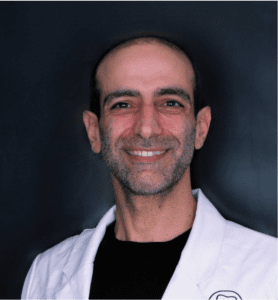 Not all dentists have the same level of training in dental implants. Dr. Rafat completed five years of specialty training beyond dental school, including a residency in periodontics and a second residency in implant and periodontal prosthodontics. He also holds a Master of Science degree.
That means he understands dental implants from every angle: surgical placement, gum health, bone health, and final restoration.
When you trust your implant care to a specialist, you get:
- Expert diagnosis of potential problems
- Specialized instruments that clean implants without damage
- Advanced treatment options if problems arise
- Peace of mind knowing you are in the best hands
Implants Are an Investment Worth Protecting
Dental implants are a significant investment in your health and confidence. They can last 20, 30, even 40 years or more with proper care. But they are not maintenance-free.
Think of them like a high-quality car. You would not drive it for years without an oil change or tune-up. Your implants need the same kind of regular attention.
Ready to Learn More About Implants or Need Your Existing Ones Checked?
Whether you are considering dental implants for the first time or already have them and want to ensure they stay healthy, Dr. Roham Rafat and the team at Valley Dental Health are here to help.
Call us today at 443-733-6613 or request an appointment online. We are conveniently located in Cockeysville, MD, and welcome patients from Timonium, Hunt Valley, Sparks, Phoenix, and all surrounding areas.