
Do you wake up with a sore jaw or a dull headache? Has your partner ever told you that you grind your teeth at night? You might be surprised to learn that these seemingly unrelated symptoms could be caused by teeth grinding.
Many people don’t realize they grind their teeth because it often happens while they sleep. The good news is that Dr. Ashley Izadi and Dr. Roham Rafat at Valley Dental Health can help. We offer effective teeth grinding treatment to protect your teeth, relieve your pain, and restore your comfort.
Our office is conveniently located in Cockeysville, MD. We proudly serve patients from Timonium, Hunt Valley, Lutherville, Sparks, Phoenix, and all surrounding communities.
Do You Grind Your Teeth? Common Signs to Watch For
Take a moment to check for these common symptoms of teeth grinding:
- ☐ Worn, flat, or chipped teeth
- ☐ Increased tooth sensitivity (especially to hot or cold)
- ☐ Jaw pain or soreness, especially in the morning
- ☐ Headaches, particularly around the temples
- ☐ Earaches without an ear infection
- ☐ Cuts or ridges on the inside of your cheek (from chewing)
- ☐ A clicking or popping sound when you open or close your mouth
- ☐ Your partner says you grind your teeth at night
If you checked one or more of these symptoms, schedule an appointment with Dr. Izadi or Dr. Rafat. We can confirm whether bruxism is the cause and help you find relief.
How to Fix Teeth Grinding: A Step-by-Step Approach
Treating bruxism involves three phases: diagnosis, prevention, and repair. Here is what you can expect at Valley Dental Health.
Step 1: Diagnosis and Bite Analysis
Dr. Izadi or Dr. Rafat will examine your teeth for signs of wear, check your jaw muscles for tenderness, and evaluate your bite (occlusion). We may also take X-rays to assess any underlying damage.
Step 2: Protect Your Teeth with a Custom Night Guard
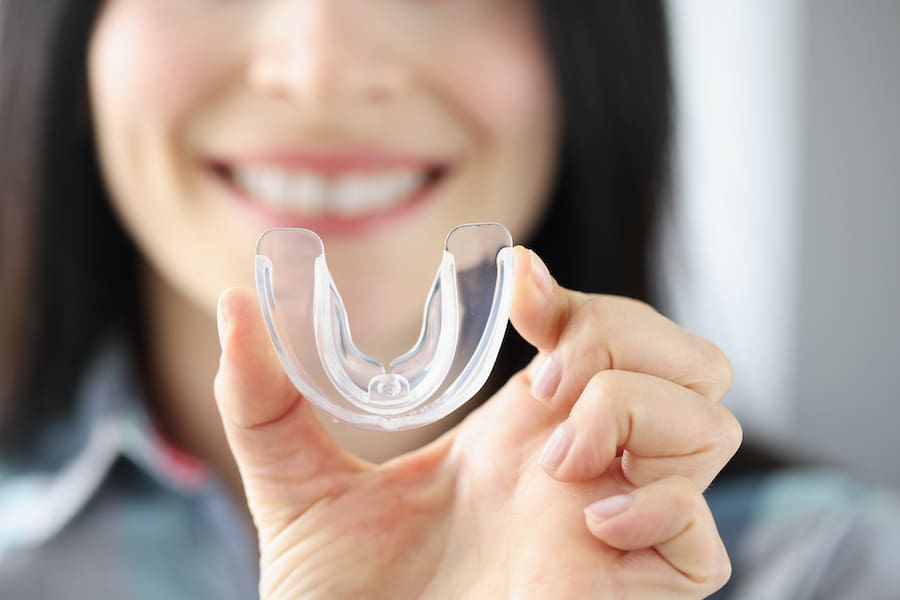
A custom-fitted night guard is the most effective way to prevent further damage. Unlike over-the-counter boil-and-bite guards, our night guards are:
- Made from high-quality dental materials
- Custom-fitted to your bite for maximum comfort
- Worn only at night
- Designed to last for years with proper care
Step 3: Address Underlying Causes
We will work with you to identify what’s triggering your grinding. Common causes include:
- Stress and anxiety (relaxation techniques, counseling)
- Sleep disorders (sleep apnea evaluation if indicated)
- Misaligned bite (occlusal adjustment or orthodontics)
Step 4: Repair Existing Damage
Depending on the severity of wear, we may recommend:
- Cosmetic bonding for small chips and cracks
- Porcelain veneers for moderate wear on front teeth
- Same-day crowns for severely worn or cracked teeth
- Invisalign if teeth have shifted due to grinding or bite issues
- Dental implants if teeth have been lost because of severe grinding
How to Protect Your Teeth from Grinding (Until You Can See a Dentist)
If you suspect you grind your teeth but have not yet seen a dentist, here is what you can do:
- Immediate protection: Avoid hard, chewy, or sticky foods that put extra stress on already weakened teeth. Cut food into smaller pieces and chew on both sides of your mouth.
- Jaw relaxation exercises: Before bed, gently massage your jaw muscles in a circular motion. Open and close your mouth slowly several times to release tension.
- Warm compress: Apply a warm washcloth to the side of your face for 10-15 minutes before sleep to relax jaw muscles.
- Avoid triggers: Reduce caffeine and alcohol intake, especially in the evening, as both can worsen teeth grinding.
These are temporary solutions. The only reliable long-term protection is a custom night guard from your dentist.
Custom Night Guard vs. Other Treatment Options
| Treatment Option | Best For | Pros | Cons |
|---|---|---|---|
| Custom Night Guard (Recommended) | Moderate to severe grinding | Professionally fitted, comfortable, durable, protects teeth and jaw | Higher upfront cost; requires a dental visit |
| OTC Boil-and-Bite Guard | Mild, temporary grinding | Inexpensive, available at drugstores | Poor fit, may worsen grinding, not durable |
| Botox Injections | Severe grinding not relieved by a night guard | Relaxes jaw muscles, reduces clenching force | Temporary (lasts 3-4 months); must be repeated |
| Occlusal Adjustment | Grinding caused by a misaligned bite | Addresses root cause, permanent solution | Involves reshaping tooth surfaces; not for everyone |
| Stress Management | Stress-related grinding | Addresses the underlying trigger, with no side effects | Takes time; may not stop grinding completely |
Dr. Izadi and Dr. Rafat will help you determine which option is right for your specific situation.
Correcting Your Bite to Stop Grinding at the Source
For some patients, teeth grinding is caused by a misaligned bite (malocclusion). When your upper and lower teeth don’t come together evenly, your jaw may try to find a comfortable position by grinding or clenching.
What is occlusal adjustment? This is a procedure where Dr. Rafat gently reshapes the biting surfaces of your teeth to help them come together evenly. The changes are microscopic but can make a significant difference in how your bite feels.
What to expect:
- Completely painless (no anesthesia required for minor adjustments)
- Usually completed in one visit
- Can often reduce or eliminate grinding
Many patients benefit from both a night guard (for immediate protection) and occlusal adjustment (to address the underlying bite issue). Dr. Rafat will evaluate your bite during your consultation and recommend the best approach.
Home Remedies to Ease Teeth Grinding Symptoms
While a custom night guard is the most effective long-term solution, these self-care strategies can help reduce symptoms.
- Jaw Stretches: Gently open your mouth as wide as comfortable and hold for 5 seconds. Repeat 5-10 times. Use your fingertips to massage the muscles along your jawline in small circular motions.
- Temperature Therapy: Apply a warm compress to the side of your face for 10-15 minutes before bed to relax jaw muscles. If you have jaw pain, alternate warm and cold compresses.
- Dietary Adjustments: Eat soft foods (yogurt, soup, scrambled eggs, smoothies). Avoid hard, crunchy, or chewy foods (nuts, ice, popcorn, caramel, bagels). Cut food into small pieces and chew on both sides of your mouth.
- Sleep Hygiene: Establish a consistent bedtime routine. Avoid caffeine (coffee, tea, soda, chocolate) for at least 6 hours before bed. Avoid alcohol before sleep, as it can worsen grinding. Keep electronics out of the bedroom and create a dark, quiet sleep environment.
- Mouth and Jaw Awareness: Throughout the day, check if you are clenching your teeth. Rest your tongue on the roof of your mouth behind your front teeth with your lips closed and teeth slightly apart.
- When to Seek Professional Help: If these self-care strategies do not reduce your symptoms, or if you wake up with headaches or jaw pain, schedule an appointment with Dr. Izadi or Dr. Rafat. A custom night guard is the most reliable way to protect your teeth.
How We Repair Teeth Damaged by Grinding
Grinding and clenching can cause significant damage to your teeth. Depending on the severity, Dr. Izadi and Dr. Rafat offer several restorative options.
- Same-Day Dental Crowns: Crowns are caps that cover your whole tooth. They restore the shape and size of your tooth in a single visit. Great for teeth that have been severely worn down or cracked from grinding.
- Porcelain Veneers: Thin shells that cover the front of your teeth. They fix chips, cracks, and uneven edges. Veneers can make your teeth look smooth and even again.
- Invisalign: Invisalign therapy uses clear, removable aligners to straighten your teeth. If your grinding is causing teeth to shift or overlap, Invisalign can help move them into the right place. These aligners are not only comfortable but also less noticeable than traditional braces.
- Dental Implants: If grinding has caused severe damage and you have lost a tooth, implants are a permanent solution. Implants look and function like natural teeth.
Affordable Teeth Grinding Treatment
A custom night guard is an investment in the long-term health of your teeth. Many dental insurance plans cover a portion of the cost of a custom night guard, especially when bruxism is causing documented tooth damage. Our team will verify your benefits and explain your out-of-pocket costs before any treatment begins.
No insurance? Ask about our KLEER Dental Membership Program or financing options through CareCredit to make treatment affordable.
For patients without significant damage, we offer affordable night guard options. Call us for pricing details.
Patient Review
Frequently Asked Questions
Can teeth grinding ruin teeth?
Yes, teeth grinding can damage your teeth. It can wear down enamel, making your teeth more likely to get cavities and decay. It can also cause headaches and pain in your face, jaw, and ears.
How can stress impact teeth grinding?
When you are stressed or anxious, your jaw muscles can tighten without you even realizing it. This tension often leads to clenching or grinding your teeth. Over time, stress-related grinding can wear down your teeth, cause jaw pain, headaches, and even damage your bite. Managing stress through relaxation techniques, exercise, or a night guard can protect your teeth.
Is teeth grinding the same as TMJ disorder?
They are related but different. Teeth grinding (bruxism) is the act of clenching or grinding your teeth. TMJ disorder refers to problems with the temporomandibular joint itself. The connection is that chronic teeth grinding can lead to TMJ disorder because the constant pressure and muscle tension can damage the jaw joint over time. If you have been told you have “TMJ” but also grind your teeth, treating the grinding may resolve the TMJ symptoms.
What vitamin deficiency causes teeth grinding?
A lack of Vitamin D and Vitamin C can contribute to teeth grinding. Vitamin D helps control calcium levels in the body, and Vitamin C helps repair body tissues. The B complex vitamins play a role in maintaining nerve health and reducing stress levels. While vitamin deficiencies can contribute to teeth grinding, other underlying causes may include anxiety, misaligned teeth, or sleep disorders. Addressing these factors is just as important.
How do I know if I grind my teeth when I sleep?
Common signs include worn or flattened teeth, chipped enamel, or increased tooth sensitivity. You might also notice jaw pain, morning headaches, earaches without an infection, or small cuts or soreness inside your cheeks. Often, a partner may hear grinding or clenching sounds while you sleep. The most reliable way to know for sure is to visit Valley Dental Health for an exam.
Can teeth recover from grinding?
Teeth can suffer serious damage from grinding. Your tooth enamel does not grow back on its own. Mouthguards can help prevent further damage, but existing damage often needs treatment. If you grind your front teeth, you might need repairs like bonding, veneers, or crowns to restore their appearance and function.
Schedule Your Teeth Grinding Treatment Appointment Today
If you or someone you know is dealing with bruxism, make an appointment with Dr. Izadi or Dr. Rafat at Valley Dental Health. We will perform a thorough examination, check for signs of wear, and develop a personalized treatment plan to protect your teeth and relieve your pain.
Call our Cockeysville office at 443-733-6613 or request an appointment online.
We proudly serve patients from Timonium, Hunt Valley, Lutherville, Cockeysville, Sparks, Phoenix, Jacksonville, and all surrounding communities.