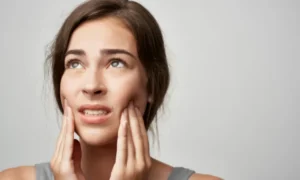
For years, you might have told yourself it’s fine. Maybe you assumed everyone’s jaw pops sometimes, or that the pain would eventually go away on its own. But jaw pain and popping aren’t something you have to live with. At Valley Dental Health, we look at your oral health as a whole. That includes the parts you can’t see, like your jaw joints. And when those joints aren’t working properly, we have solutions that don’t require surgery or simply “dealing with it.”
What Is That Popping Sound Anyway?
That sound you’re hearing? It’s coming from your temporomandibular joints, or TMJ for short. You have two of them, one on each side of your face, right in front of your ears. They act like sliding hinges that connect your jaw to your skull.
When those joints get misaligned, inflamed, or overworked, things start to go wrong. The popping noise you hear is usually a small disc inside the joint slipping out of place and then snapping back. The pain you feel when chewing? That’s the surrounding muscles getting tired from working too hard to compensate.
Some patients describe it as a dull ache. Others feel a sharp sting right near the ear. For some, it shows up as headaches, neck pain, or even ringing in the ears.
What Causes Jaw Problems?
A lot of things. And here’s where it gets personal.
- Teeth grinding or clenching: Many people do this at night without even realizing it. You wake up with a sore jaw and assume you just slept funny.
- Stress: When life gets heavy, a lot of us carry that tension in our jaw muscles without noticing.
- An uneven bite: If your teeth don’t come together quite right, your jaw has to shift to force them to meet. Over time, that wears everything down.
- Arthritis or injury: Sometimes there’s a medical reason, and that’s okay too.
How We Help at Valley Dental Health
This is where having a team like ours makes a real difference. When you come in for an exam, we don’t just check for cavities. We do something called an occlusal analysis. That’s a fancy way of saying we look at how your teeth come together, how your jaw moves, and whether your TMJ is working the way it should.
Dr. Izadi and Dr. Rafat take this seriously because they know that a sore jaw affects more than just your mouth. It affects your sleep, your mood, your ability to enjoy a meal with your family.
Depending on what we find, solutions might include:
- A custom mouthguard to stop nighttime grinding
- Gentle exercises to retrain your jaw muscles
- Adjusting how your teeth come together (sometimes a small change makes a big difference)
- In some cases, helping you manage stress in ways that protect your jaw
You Don’t Have to Live With the Pain
Most people wait way too long to mention jaw pain. They assume it’s normal aging, or they worry the only solution is expensive surgery. But the earlier you ask for help, the simpler the solution usually is.
If your jaw pops when you chew, hurts when you yawn, or leaves you with morning headaches that linger behind your eyes, it’s time to stop guessing. At Valley Dental Health, we can figure out what’s really going on and create a treatment plan that fits your life and your budget.
Call us today at 443-733-6613 or request an appointment online. Let’s find out why your jaw is bothering you and get you back to eating, laughing, and living without pain.