
You’ve probably heard the phrase “long in the tooth.” It’s an old expression for someone getting older, but it’s also literal. As we age, our gums recede, and teeth can start to look longer. While it may seem cosmetic, it can signal something more.
Gum recession is common. It happens gradually, so most people don’t notice it until a dentist points it out. When the gums pull back, they expose the roots of your teeth. That exposure can cause sensitivity, increase decay risk, and eventually threaten the tooth itself.
Dr. Roham Rafat is a board-certified periodontist at Valley Dental Health in Hunt Valley, MD. He completed his dental education at the University of Maryland School of Dentistry and a three-year residency in Periodontics and Implant Dentistry, earning his Master of Science. Here’s what you need to know if your dentist has mentioned gum recession.
What Gum Grafting Actually Is
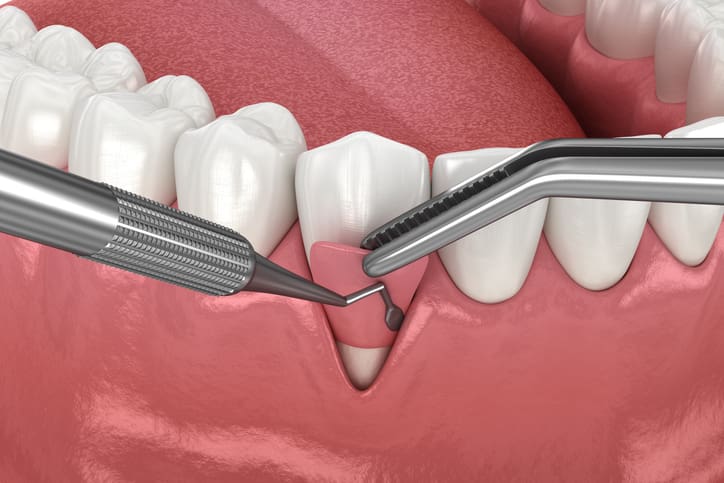
A gum graft covers exposed tooth roots by adding tissue to the gum line. That tissue can come from your palate, a donor, or a biocompatible material. The goal is to restore the gum line, protect the root, and prevent further recession.
Dr. Rafat uses several techniques and chooses the best one for the situation. Some grafts address a single tooth. Others cover multiple teeth or an entire section of the gum line.
The procedure is done under local anesthesia. Most patients describe it as comfortable, and many are surprised by how quickly they recover.
Who Actually Needs a Gum Graft
Not everyone with receding gums needs a graft. Some mild recession can be monitored, but a graft is the right recommendation in these specific situations:
- When the Root is Exposed: If your tooth’s root is visible, the enamel that protects the crown doesn’t extend down there. The root surface is softer and more vulnerable to decay. A graft covers that surface and protects it.
- When Sensitivity Is Significant: Exposed roots are sensitive to hot, cold, and touch. If you’re avoiding certain foods or drinks because of sensitivity, a graft can help.
- When Recession Is Progressing: If your gums keep receding, a graft can stop the process and stabilize the gum line.
- When There’s A Risk of Losing the Tooth: In severe cases, recession can lead to bone loss and eventually tooth loss. A graft can protect the tooth and the bone that supports it.
- When the Appearance Bothers You: Some patients have recession that isn’t causing functional problems, but the aesthetic bothers them. A graft can restore a more even gum line.
Dr. Rafat evaluates these factors before recommending a graft. In some cases, monitoring is the better choice. In others, grafting is the right path.
Why a Periodontist Should Do This Procedure
Here’s where specialty training makes a difference. Gum grafting is a surgical procedure. It involves precise handling of delicate tissue, careful attention to blood supply, and an understanding of how the gums interact with the underlying bone. A periodontist is specifically trained for this.
Dr. Rafat is board-certified in periodontics. He completed three years of residency training beyond dental school, focused entirely on the gums, bone, and supporting structures of the teeth. He’s a member of the American Academy of Periodontology and the Academy of Osseointegration. That’s years of focused study and clinical practice.
A general dentist can perform gum grafts, and some do. A periodontist’s training and experience often translate to better outcomes, faster healing, and a lower risk of complications. That matters for a procedure that’s meant to last decades.
What Recovery Looks Like
Most patients are surprised by how manageable the recovery is. In the first few days, you’ll have some soreness, especially at the donor site if we took tissue from your palate. Over-the-counter pain relievers usually manage it well. We’ll give you specific instructions for eating, drinking, and oral hygiene.
During the first two weeks, avoid brushing directly over the graft site. Stick to soft foods and avoid anything that could disturb the healing tissue. Most patients return to work within a day or two.
Over the next few weeks, the graft gradually integrates with the surrounding tissue. Dr. Rafat will check the site at follow-up visits to make sure it’s healing properly. Once healed, the graft becomes part of your gum line. With good oral hygiene and regular checkups, it can last for decades.
How to Know If You Need One
If your dentist has mentioned recession, or you’ve noticed your teeth looking longer, the best next step is a periodontist evaluation. Dr. Rafat will examine your gums, measure the recession, and assess the bone supporting your teeth. He’ll tell you whether you need a graft, whether monitoring is reasonable, and what the timeline looks like.
At Valley Dental Health, we’re fortunate to have a periodontist as a co-founder. That means you don’t need a referral to a separate office for this evaluation. We do it here, in the same practice where you see your general dentist.
Serving Hunt Valley and the Surrounding Communities
Valley Dental Health is at 10600 York Rd Suite 105 in Cockeysville, MD. We proudly serve patients from Hunt Valley, Cockeysville, Timonium, Sparks, Phoenix, Jacksonville, and the surrounding communities.
If you’ve been told you have gum recession, or if you’re noticing changes in your gum line, we’d love to talk with you. Dr. Rafat will evaluate your situation, explain your options, and help you decide what’s right for your long-term oral health.
Call our new patient line at 443-733-6613 to schedule your consultation. You can also request an appointment online anytime!