
A dental implant can feel permanent. It’s a titanium post in the jaw with a crown on top, and like any man-made replacement in the body, it requires monitoring. The most serious threat to a dental implant is peri-implantitis, an infection of the tissue and bone around the implant. Left unaddressed, it leads to bone loss and eventually implant removal.
The challenge is that peri-implantitis is quiet in its early stages. Many patients feel nothing. The implant isn’t loose, and there’s no toothache. The warning signs show up in the gum tissue and on the X-ray, which is why maintenance visits with a periodontist matter.
Dr. Roham Rafat at Valley Dental Health in Cockeysville, MD evaluates implants for patients across Hunt Valley and the surrounding communities. His periodontal training keeps him alert to soft-tissue and bone changes that signal trouble before an implant fails.
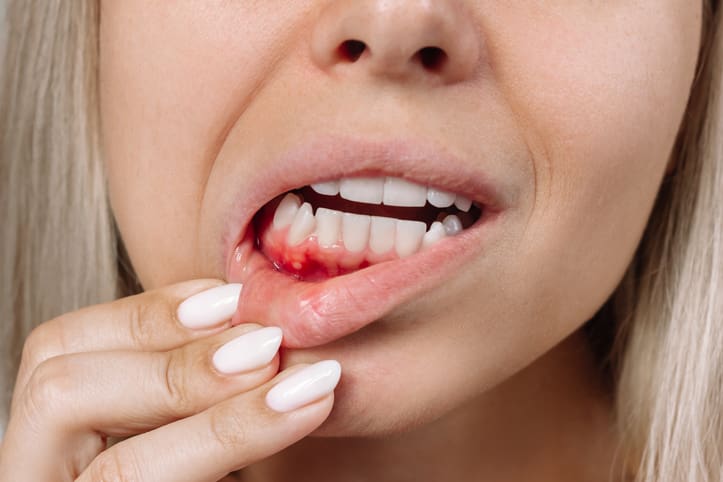
Why Implants Get Their Own Version of Gum Disease
A natural tooth is connected to bone by the periodontal ligament, a thin layer of tissue that seals the tooth and provides some flexibility. An implant has no periodontal ligament. It fuses directly to bone through osseointegration. The gum tissue around an implant forms a seal, but that seal is weaker and less vascular than the seal around a natural tooth.
That anatomical difference means bacteria can penetrate more easily along an implant surface. When the infection stays in the soft tissue, it’s called peri-implant mucositis. It’s reversible.
When the infection reaches the bone and starts destroying it, it becomes peri-implantitis. At that point, the bone loss isn’t reversible without intervention.
Peri-implantitis isn’t rare. Studies cited in implant literature note that biological complications, including peri-implantitis, are among the most frequent issues with dental implants. The risk is higher in patients with a history of periodontitis, poor oral hygiene, or skipped maintenance visits. Smoking and uncontrolled diabetes raise the risk further.
What Dr. Rafat Checks at a Maintenance Visit
An implant maintenance visit at Valley Dental Health is a focused assessment of the implant, the surrounding gum tissue, and the bone beneath it.
- Probing: A periodontal probe is used gently around the implant to measure the depth of the pocket between the gum and the implant. A shallow, stable pocket is reassuring. A deepening pocket suggests the seal is breaking down. Bleeding on probing indicates inflammation. Suppuration, or pus, indicates active infection.
- Radiographic Review: X-rays are compared to the baseline taken when the implant was placed or restored. The key measurement is crestal bone level, the height of bone around the top of the implant. Stable bone over time is the goal. Progressive bone loss, even if the patient feels no pain, requires investigation.
- Soft-tissue Assessment: The color, texture, and thickness of the gum tissue around the implant are checked. Recession that exposes the implant threads is a concern. So is tissue that looks inflamed despite good home care.
- Bite Evaluation: Excessive force on an implant can contribute to bone loss and mechanical failure. Dr. Rafat’s prosthodontic training means he evaluates how the implant restoration functions in the bite, not just how it looks.
What Happens If Something Is Found
If peri-implant mucositis is diagnosed, the first step is usually nonsurgical. This includes professional cleaning around the implant, a review of home care technique, and a follow-up visit to confirm the inflammation has resolved.
If Dr. Rafat diagnoses peri-implantitis, treatment depends on severity. Early bone loss may be managed with nonsurgical debridement and close monitoring. More advanced cases may require surgical intervention to clean the implant surface and, in some cases, regenerate lost bone. The earlier the diagnosis, the more options are available.
What doesn’t work is waiting. Peri-implantitis doesn’t resolve on its own, and bone lost to infection doesn’t grow back without intervention. A patient who notices bleeding around an implant, gum recession, or a change in how the implant feels shouldn’t wait for the next six-month cleaning.
The Home Care Habits That Protect an Implant Between Visits
Maintenance visits catch problems. Home care prevents them. The two work together, and Dr. Rafat reviews both at every implant appointment.
Around a natural tooth, floss slides under the gum line and disrupts bacteria in the sulcus. Around an implant, the seal is different, and standard floss can be awkward to use without catching on the restoration. Many implant patients do better with an interdental brush, a water flosser, or implant-specific floss that passes under a bridge or around a crown without shredding.
Electric toothbrushes with pressure sensors help patients avoid over-brushing, which can damage the gum seal around an implant. A soft-bristled brush and a non-abrasive toothpaste are the standard recommendation. Patients who grind their teeth may need a nightguard to protect the implant from excessive force, especially on back teeth where the load is heaviest.
Smoking is the single biggest modifiable risk factor for implant failure. Patients who quit or cut down significantly improve their odds. Uncontrolled blood sugar has a similar effect, which is why Dr. Rafat asks about diabetes management and overall health at implant visits.
These habits aren’t complicated, but they need to be reviewed and adjusted. What worked for a patient in the first year after implant placement may need to change as the restoration ages, as the gum tissue matures, or as the patient’s health changes. That review happens at the maintenance visit.
The Maintenance Schedule Isn’t the Same for Every Patient
Valley Dental Health recommends twice-yearly visits for most patients, but implant patients may need a different rhythm. A patient with a history of periodontitis, a patient who smokes, or a patient whose implant supports a full arch prosthesis may benefit from more frequent monitoring. Dr. Rafat sets the recall interval based on the individual case, not a blanket policy.
For patients in Hunt Valley, Timonium, Sparks, and Phoenix with dental implants, the question is whether the bone and gums around them are being monitored closely enough to catch problems while they are still fixable. That is what a periodontal maintenance visit provides.
To schedule an implant maintenance evaluation with Dr. Rafat, call Valley Dental Health at 443-733-6613. You can also request an appointment online anytime.